Educational purpose
Articles teach general relaxation skills for daily life. They are not personalized advice and do not replace a doctor, therapist, or other licensed professional.

Short, simple ways to unwind—no perfect morning routine required.
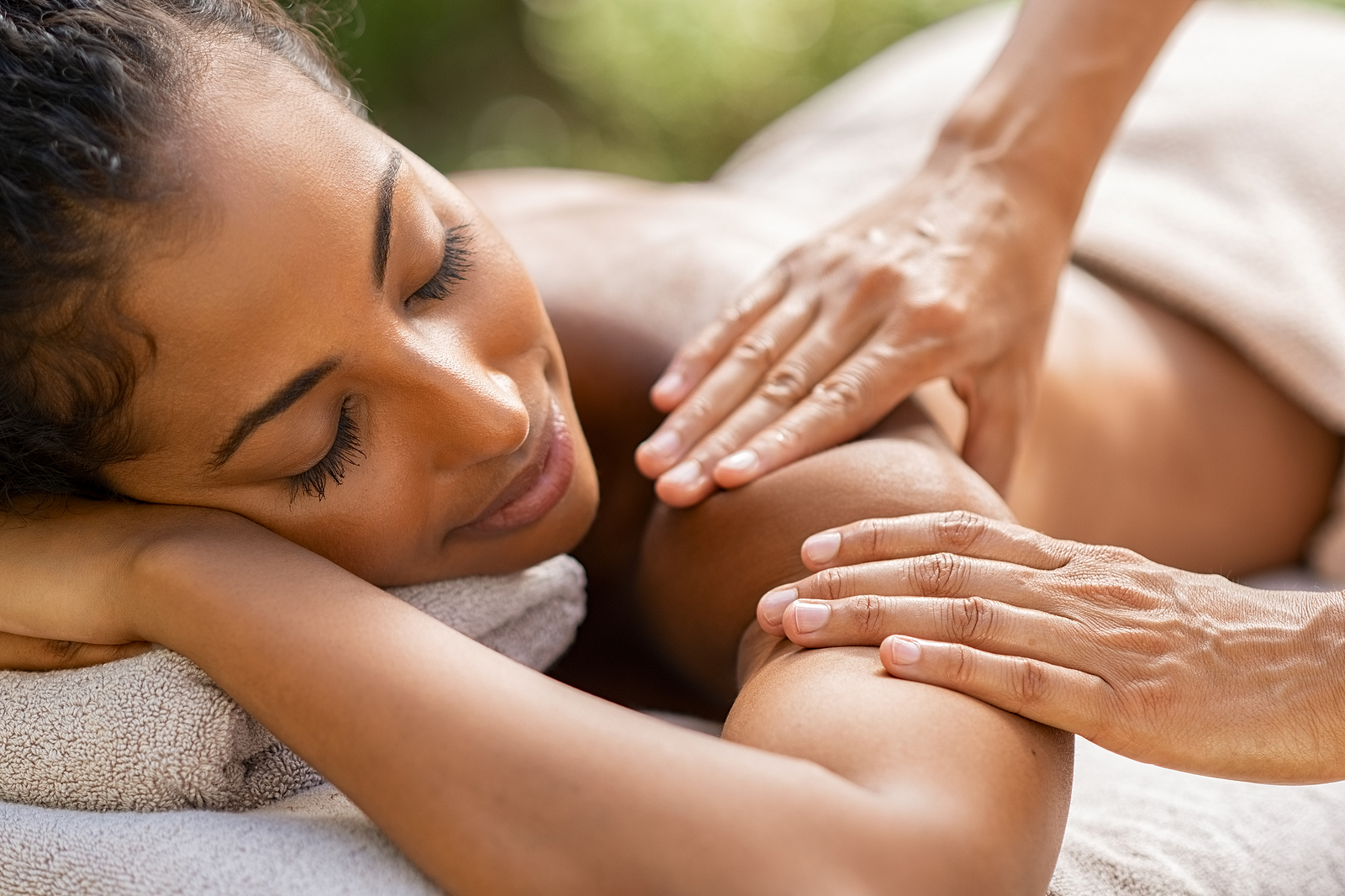
Desk stretches, calm breathing, and easy evening habits you can try today.
A few minutes most days beats one long session once a month.
You do not need a retreat or fancy gear. Pick a guide, try it at home or on a break, and see what helps you feel calmer.
Most of us run on high alert: phones buzzing, long to-do lists, sleep that comes and goes. When you finally pause—even for two or five minutes—many people notice softer muscles and a slightly clearer head. Experiences vary; this is general education, not a promise of specific results.
Here you will find plain guides on gentle yoga, simple breathing, spotting when stress is building, and putting together a weekly calm routine. We tell you exactly what to do: how long to hold a stretch, how to breathe out slowly, and what early tension feels like before a bad week snowballs.
Some days you need to move; other days you need quiet. Switch it up so you do not get bored, and notice what your body likes best. Try one habit this week, jot how you feel before and after, and adjust. Showing up a little most days matters more than going all-in once and burning out.
We believe visitors should know exactly who we are, what we offer, and what we do not provide.
Articles teach general relaxation skills for daily life. They are not personalized advice and do not replace a doctor, therapist, or other licensed professional.
Guides on this Site are free to read. We do not sell supplements, devices, or treatment programs through these pages. Optional events are described as group learning only.
Reach us at 914 E 2nd St, Meridian, ID 83642, USA, by phone +1 (203) 399-7273, or via our contact page. See About us for full details.
Individual experiences vary. We do not promise specific health, sleep, or mood outcomes. If you are in crisis, call 988 (U.S. Suicide & Crisis Lifeline) or local emergency services.
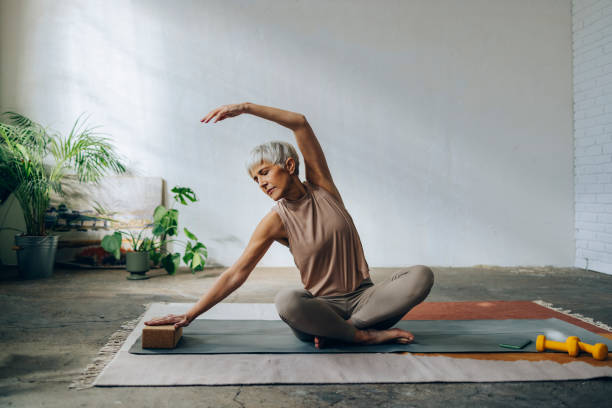
Rest is not laziness—it is how your body catches up. When you breathe slower and unclench your shoulders, you may feel less wound-up after a rough commute or a tense talk. We describe common experiences reported in relaxation education; your response may differ.
Your muscles matter too. Tense your shoulders, then let go—that contrast teaches you what “holding on” feels like. Lots of us clench our jaw or hands without noticing. A five-minute check-in before bed (jaw, neck, belly) plus dim lights may help some people unwind before sleep—results differ by person.
Your thoughts can settle as well. Notice your breath or what you hear without judging it. Thoughts will still pop up; you are just not chasing every one. Mix movement, breathing, and a quiet pause for the best effect, and change the mix when a routine gets stale.
Different moments need different tools. Start with the guide that matches where you are right now.
Easy yoga, neck stretches, and short walks loosen a stiff body after sitting. Moving helps you reset without a hard workout.
Yoga & Movement GuideSimple patterns like box breathing or a longer exhale help when your mind races. You can do them anywhere—no app required.
Breathing GuideSpot stress early, schedule small breaks, and block time for real downtime before you hit empty.
Build Your PlanRelaxing yoga is slow and supported—not about touching your toes. Child's pose, gentle twists, and legs up on a wall let gravity do part of the work. You are telling your body it is okay to soften.
Lie on a mat or carpet. Breathe four times with a hand on your belly so you feel it rise. Hug your knees, twist gently left and right (30–45 seconds each), then rest your legs on a chair seat if the wall feels like too much. About ten minutes fits between dinner and screens.
If you sit all day, stand tall, roll your shoulders, and move slowly—no jumping. When you fold forward, breathe out a little longer than you breathe in. Many people notice less morning jaw tension after a few evening sessions.
See the Full Yoga Guide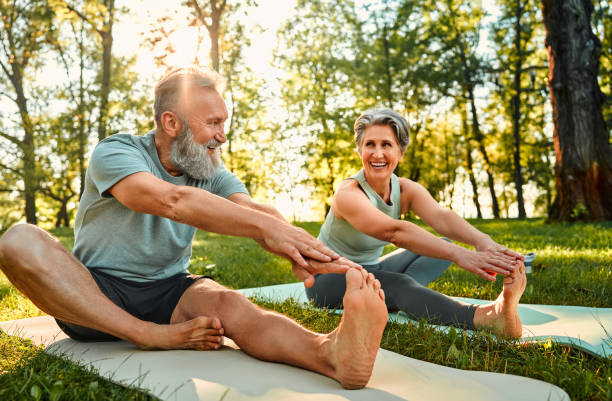
These habits are gentle for most people—still listen to your body and go at your own pace.
A mild stretch is fine; sharp or joint pain is not. Ease up, change the pose, or switch to calm breathing instead.
Pregnant, injured, or managing a health condition? Ask a qualified clinician before trying new moves or long breath holds.
After deep relaxation or long breath holds, sit for a minute before driving or using machinery.
After a warm room, a long walk, or hard day, water helps you avoid feeling dizzy when you stand up.
Online sessions and themed weeks to help you build a steady calm habit. Times are Mountain Time (US).
| Date | Event | Format |
|---|---|---|
| Jun 8, 2026 | Morning Breath Lab — 10-minute routines before work | Live stream |
| Jun 15, 2026 | Desk Yoga Week kickoff: neck and wrist mobility | Self-paced videos |
| Jun 22, 2026 | Evening Wind-Down challenge (7 nights, 12 min each) | Community check-ins |
| Jul 6, 2026 | Build Your Relaxation Plan workshop | Interactive Q&A |
Want in? Write us on the contact page. These are group learning sessions, not one-on-one coaching.